You said the wrong thing on the ride home. Now what?
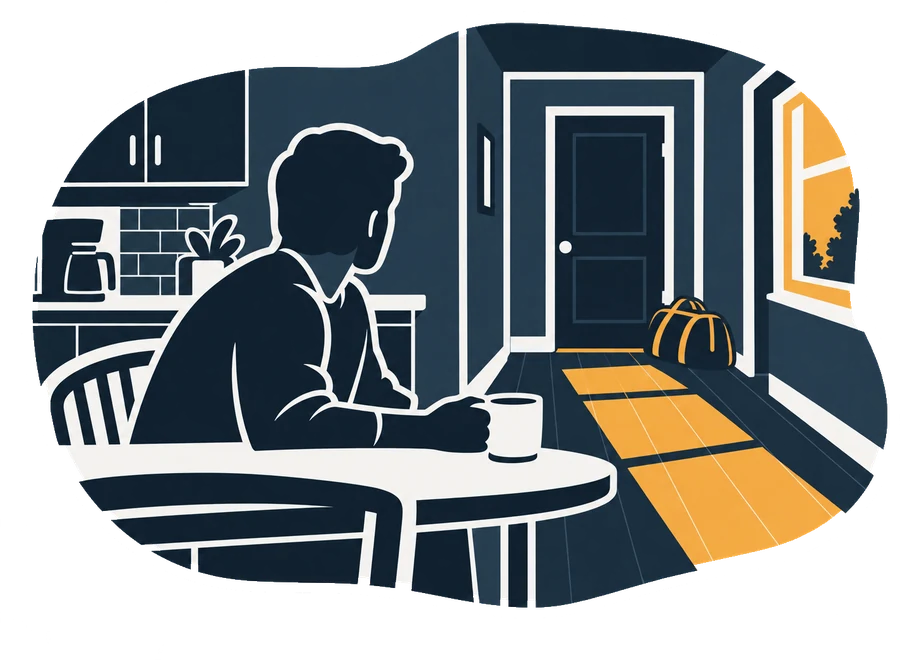
Last night on the ride home, you said something you wish you hadn’t. Maybe “What were you thinking out there?” Maybe you went quiet in a cold, angry way that lasted the whole drive. Your daughter went straight to her room, and you’ve been replaying it since. Every parent has a ride home like this.
One bad ride home doesn’t undo the rest. Next time, if you’re still worked up when you get in the car, it’s okay to just drive.
Your first reaction
What you’ll tell yourself
The things you’ll tell yourself the next day, and why they don’t help.
The first punishes you. The second leaves her to figure out on her own what last night meant. The third swings so far the other way that she loses you as someone to talk to about the game.
Your own historyDid your own parent ever come back and tell you they got it wrong? What did that do?
The idea
What’s really going on
The one idea that explains tonight, in plain words.
Feeling connected still matters after a bad ride
Think of a mistake at work. Beating yourself up about it rarely makes the next meeting go better. Owning it, briefly, usually does.
“Sorry about last night in the car. I was stressed and I took it out on you. That wasn’t fair.”About what you did, and it asks nothing of her.
“I’m a terrible parent.”It turns the morning into your feelings, and she may feel she has to take care of them.
Feeling connected to the people around her is one of the things that keeps a kid motivated. A short apology is a simple way to show her that connection is still there.
Based on: self-determination theory
The ride home
The next morning
What to do, in the order it comes up.
Wait until you’re calm. An apology said while you’re still upset can turn into round two.
Then let her answer, or not.
What you might hear
Take it. She doesn’t owe you a longer conversation.
Hard to hear. Listen without defending yourself, and thank her for telling you.
Nothing at all. That’s okay. The apology still counted.
Then keep it going. Say back what you heard, in their words, or ask about one thing they mentioned, in a way that leaves the answer to them: “Tell me how last night felt on your end.” The urge to fix it, or to talk them out of how they feel, is your cue to do one of these instead.
Her to decide: whether to talk about the game at all. Your part was the apology.
One bad ride home doesn’t undo the rest. Next time, if you’re still worked up when you get in the car, it’s okay to just drive.
Practice every ride home. The full version, $149 once:
- Unlimited practice rides, any night, with your own kid’s details
- More than a dozen common nights for your kid’s sport, or describe your own
- Full notes on every line you try, not just the highlights
- Three short lessons: what to notice at the game, how to ask in the car, and how to leave what’s next to them
- Help that steps back as you get better, so you need it less
- A free second seat for whoever else drives your kid home
“I was genuinely so impressed (and shocked!) at how it adapted the examples and language based on the specific sport I selected.”
Not helping after 30 days? Full refund, no questions asked.
See the full versionWhat to work on in the off-season
“I don’t know what to work on this off-season.”